Product Introduction
Anti-microbial PVC foam board is one of the flagship products offered by Jameson Performance Plastics Co., Ltd.
By utilizing a patented technology involving a proprietary blend of anti-bacterial and anti-mold agents, we have successfully resolved issues regarding poor adhesion between the surface skin and the core layer-specifically, the tendency for the skin layer to peel off. This innovation has significantly enhanced production stability and product yield.
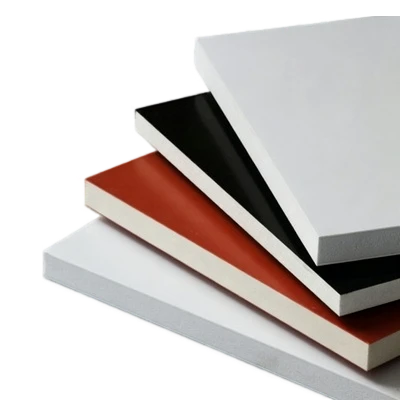
(1)The top and bottom surface layers of our Anti-microbial PVC foam board are composed of non-foamed, rigid PVC material. These layers are infused with a composite anti-microbial and anti-mold agent-comprising inorganic silver ions and organic anti-microbial compounds-which effectively combats harmful pathogens such as Campylobacter, MRSA (Staphylococcus aureus), E. coli, Legionella, and Salmonella.
(2)Rapid and Effective: Achieves a bacterial reduction rate of 99.9% within 24 hours.
(3)Seamless Integration: The anti-microbial technology is thoroughly integrated into the board material, ensuring excellent compatibility. Consequently, the anti-microbial performance remains undiminished, even after exposure to abrasion, scratching, or subsequent processing.
(4)Long-lasting Efficacy: The anti-microbial performance does not degrade over time, offering a lifetime guarantee of effective protection.

Specification of Anti-microbial PVC foam board
|
Attributes |
Items |
Method |
Unit |
Value |
|
|
Physical Properties |
Thickness |
|
mm |
10-30 |
|
|
Density |
ASTM D792 |
g/cm3 |
0.55±0.03 |
||
|
Tensile Strength |
Vertical |
ASTM D638 |
kg/cm3 |
110 |
|
|
Horizontal |
80 |
||||
|
Flexural Strength |
Vertical |
ASTM D790 |
kg/cm3 |
240 |
|
|
Horizontal |
180 |
||||
|
Compressive Strength |
ASTM D695 |
kg/cm3 |
100 |
||
|
Compressive stress for strain of 30% |
ASTM D695 |
kg/cm3 |
180 |
||
|
Elastic Modulus |
ASTM D638 |
kg/cm3 |
10000 |
||
|
Hardness |
ASTM D676 |
Shore D |
50-80 |
||
|
Impact Strength (+20℃) |
ASTM D256 |
kg.cm/cm3 |
1.5 |
||
|
Heat |
Coefficient of Linear Thermal Expansion (-30℃ -50℃) |
ASTM D696 |
mm/m℃ |
0.07 |
|
|
Heat Deflection Temperature |
ASTM D648 |
℃ |
55 |
||
|
Thermal Conductivity ( 0℃ -60℃) |
DIN 52616 |
w/mk |
0.03-0.07 |
||
|
Heat Transfer Rate |
DIN 52616 |
w/(m2k) |
1.2-3.0 |
||
|
Electric |
Volume Resistivity |
ASTM D257 |
Ω.cm |
2.0x10¹⁴ |
|
|
Surface Resistivity |
ASTM D257 |
Ω |
9.0x10¹⁴ |
||
|
Dielectric Strength |
JI6911 |
kv/cm |
48 |
||
|
Others |
Rw |
DIN 52210/84 |
dB |
35 |
|
|
Water Absorption (after 7 days) |
ASTM D570 |
% |
0.5 |
||
|
Fire Behavior |
UL-94 / ASTM E84 |
/ |
V0 / Class A |
||
Why choose our Anti-microbial PVC foam board ?
The incorporation of various antimicrobial agents into the skin layer can result in significant variations regarding adhesion and compatibility with the core layer. Through extensive and iterative testing, our Anti-microbial PVC foam board now utilizes a proprietary composite antimicrobial and anti-mold agent. This innovation effectively resolves issues related to poor adhesion between the skin and core layers-specifically preventing the skin layer from peeling off-thereby significantly enhancing production stability and product yield.
Our Anti-microbial PVC foam board: A composite antibacterial and anti-mold agent has been incorporated into upper and lower layers; this agent is a blend of silver-based inorganic antibacterial agents and organic antibacterial/anti-mold agents, capable of effectively combating harmful pathogens such as Campylobacter, MRSA (Staphylococcus aureus), E. coli, Legionella, and Salmonella.
Fast and Effective: 99.9% reduction in bacteria within 24 hours.
By integrating antimicrobial technology directly into the board material, we ensure exceptional compatibility and guarantee that its antimicrobial efficacy will not diminish over time, and enduring antimicrobial performance.
Applicate to our Anti-microbial PVC foam board
(1) Medical and Healthcare Sectors
Sterile Environment Interiors: Widely utilized for the interior finishes and specialized cabinetry in hospital operating rooms, ICUs (Intensive Care Units), sterile laboratories, blood collection vehicles, and mobile treatment units.
Medical Facilities: Used in the fabrication of medical carts, specialized pharmaceutical storage units, and similar equipment. Its surface provides long-lasting inhibition against bacterial growth (e.g., *E. coli*, *S. aureus*) and withstands frequent chemical disinfection.
(2) High-Hygiene and Humid Environments
Residential Interiors: An ideal material for kitchens, bathrooms, vanity cabinets, and partitions. Compared to traditional wood, it completely eliminates issues such as moisture absorption leading to mold, deformation, cracking, and insect infestation, while boasting an extremely low water absorption rate.
Humid Public Spaces: Suitable for swimming pools, public bathhouses, basements, and similar areas. In persistently humid zones, it effectively prevents mold and inhibits bacteria, reduces odors, and significantly lowers long-term maintenance costs.
(3) Food Processing and Livestock Industries
Food Processing: Used for countertops, ceilings, and wall cladding in food processing workshops and central kitchens. It prevents bacterial transmission, withstands high-temperature washing, and meets rigorous hygiene standards.
Livestock Farming: Commonly used for enclosures, partitions, and fencing in modern livestock facilities. Its antimicrobial properties improve sanitary conditions within the farming environment, while offering corrosion resistance and ease of cleaning.
Also used to construct cages and habitats for household pets, including dogs, cats, reptiles, and other animals.
(4) Furniture Manufacturing
Furniture Manufacturing: Used in the production of cabinetry, bathroom vanities, and other furniture pieces. Serving as a substitute for traditional wood, it is not only eco-friendly (emitting zero formaldehyde) but also features resistance to termites and rodent damage, strong nail-holding capacity, and ease of processing.
Product Application

Patent Certificates


Production


Our R&D Center


FAQ
Q1: Will secondary processing or surface scratching compromise the antibacterial layer of the silver-ion antibacterial PVC foam board?
A: Not at all. Because our active inorganic silver ions and organic compounds are uniformly blended with the molten polymer raw materials during the extrusion process, the antibacterial protection is integrated into the material's overall structure. Consequently, drilling, cutting, or scratching the surface will not expose unprotected areas to microorganisms.
Q2: Why do JPP boards offer superior peel resistance compared to similar industry-standard products?
A: Most conventional antibacterial boards are prone to delamination because the added antibacterial agents disrupt the internal bonding forces of the polymer. Our patented formula optimizes interfacial adhesion during co-extrusion, effectively eliminating the issue of outer skin peeling while also improving manufacturing yields.
Q3: Is this board suitable for enclosed environments such as animal housing or furniture for infants and young children?
A: Yes, it is perfectly suitable. Our production process strictly adheres to standards for zero formaldehyde and zero TVOC (Total Volatile Organic Compounds) emissions. Free from heavy metals and resistant to water and pests, this material is a safe, reliable, and non-toxic choice for applications such as animal enclosures, medical clinics, and classrooms.

Call to Action
A Strategic Partner, Not Just a Supplier
By bridging the gap between advanced Chinese manufacturing and Your quality expectations, we help you deliver superior value to your end-users.
Please contact us:
Hot Tags: anti-microbial PVC foam board, China anti-microbial PVC foam board manufacturers, factory